
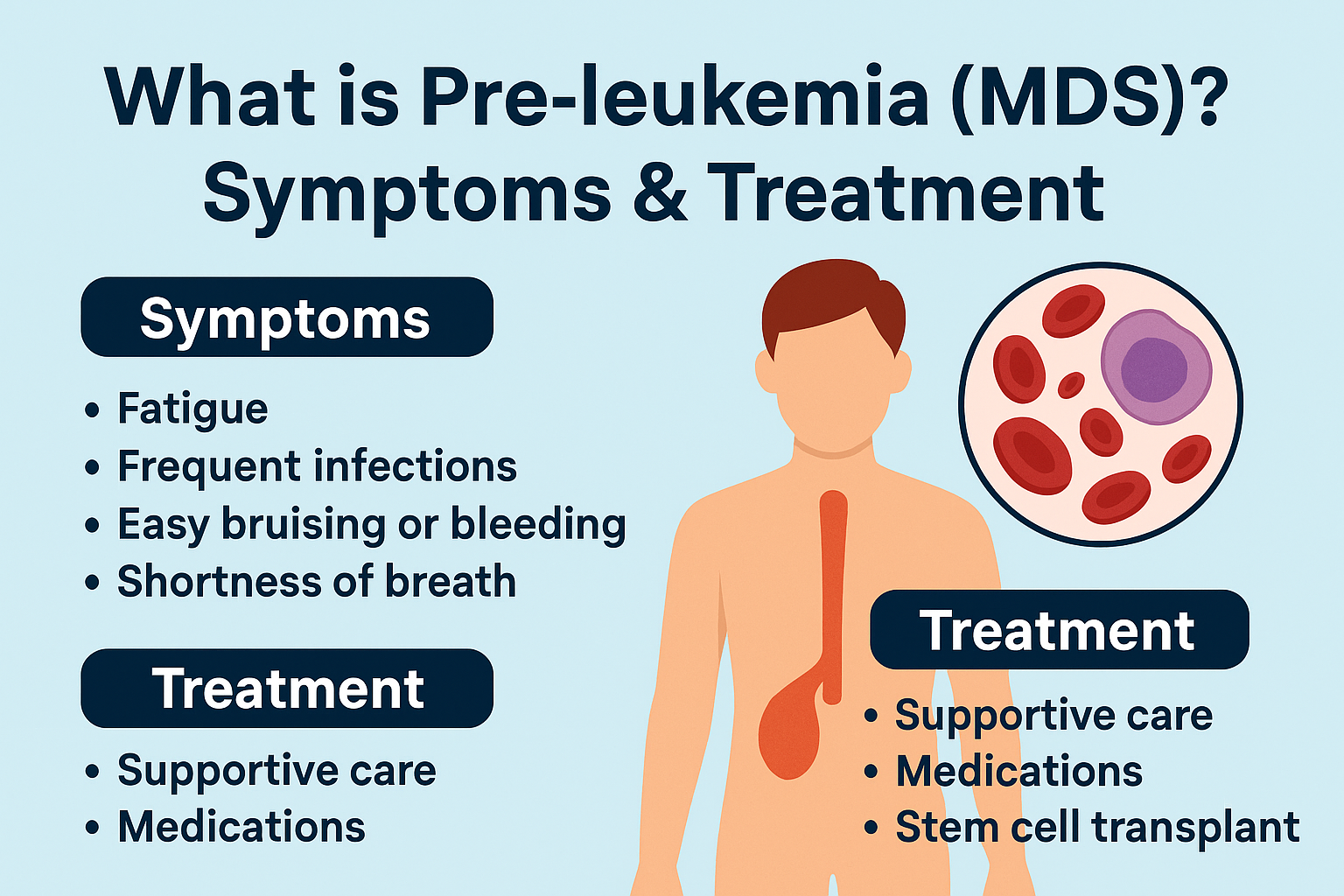
Your bone marrow quietly works every day, creating the blood cells your body needs to stay healthy. Red cells carry oxygen, white cells protect against infections, and platelets help your blood clot when you need it. Sometimes, though, this system doesn’t work as smoothly as it should. Instead of making enough healthy cells, the bone marrow begins producing fewer or less effective ones. Doctors call this condition pre-leukemia, or myelodysplastic syndrome (MDS), a type of pre leukemia blood disorder.
If you have ever wondered what is pre leukemia or felt confused by terms like myelodysplasia meaning or what is MDS, you’re not alone. Medical words can feel overwhelming, especially when tied to something as serious as blood disorders. But understanding the basics can actually help you or your loved ones spot early signs, know what to expect, and explore the right treatment options.
In this article, we will walk you through pre-leukemia symptoms, diagnosis, and pre-leukemia treatment, while also introducing how new diagnostic tools like Uncoded’s Myeloid Profiler DNA Panel can make a big difference.
Understanding What is Pre-Leukemia (MDS)
So, what is pre-leukemia really? Doctors often use this term when talking about myelodysplastic syndrome (MDS). MDS is basically a group of conditions where the bone marrow does not produce enough healthy blood cells. Over time, this can lead to issues like anemia, frequent infections, or easy bruising. This happens because, after a point, the body simply does not have the right balance of cells that it needs.
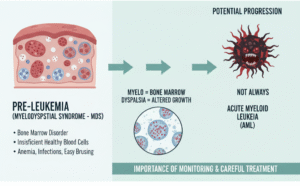
The myelodysplasia meaning is in the word itself: “myelo” refers to the bone marrow, and “dysplasia” means changes in growth. In simpler words, it means the bone marrow is experiencing the changes and is not working as effectively as it should.
Also, there is a reason why it is sometimes called pre-leukemia. It is because in certain cases, MDS can progress into a more aggressive pre leukemia blood cancer known as acute myeloid leukemia (AML). However, it is important to remember that not everyone with MDS will develop AML. In fact, many people live with MDS for years with proper care and monitoring. Which is why doctors focus on keeping a close watch and guiding treatment carefully!
In short:
- What is MDS? A disorder of ineffective blood cell production.
- Why “pre-leukemia”? Because in some cases, it may evolve into leukemia.
Pre-Leukemia Myelodysplastic Syndrome Symptoms
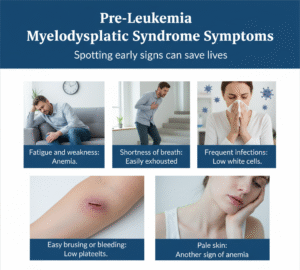
With this, there is no doubt that spotting pre-leukemia symptoms early can save lives. Although the challenge here is that symptoms are often vague and can mimic day-to-day fatigue or aging.
Still, there are warning signs that are worth knowing:
- Fatigue and weakness: Due to anemia from low red blood cells.
- Shortness of breath: Even light activity can feel exhausting.
- Frequent infections: Low white cells mean your body can’t fight germs well.
- Easy bruising or bleeding: Low platelets make clotting difficult.
- Pale skin: Another sign of anemia.
These are all grouped under myelodysplastic syndrome symptoms. But, since we know MDS is also referred to as pre-leukemia, you’ll often hear people call it pre-leukemia myelodysplastic syndrome symptoms.
Here is a simple way to think about it:
- Red cells low → Tired, weak, pale
- White cells low → Sick often
- Platelets are low → Bruise and bleed easily
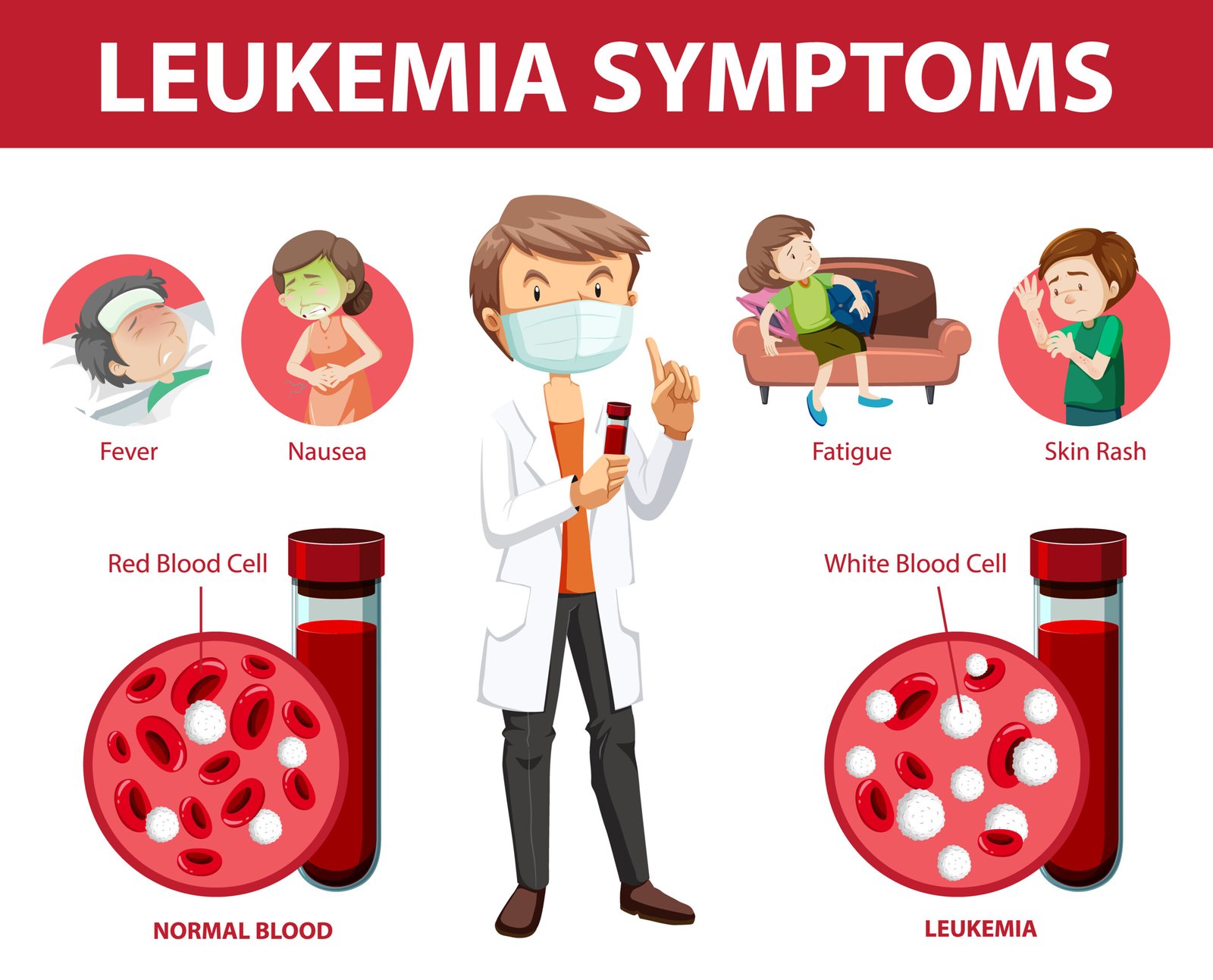
If you notice these pre-leukemia symptoms in yourself or your loved ones for weeks or months, it is important to talk to a doctor. Although it does not always mean MDS, so do not jump to conclusions, but it is worth investigating. Now that you know all the symptoms that can signal MDS, the tricky part is that symptoms alone are not enough. Which is why doctors run a combination of tests, including blood tests, bone marrow biopsy, or even genetic testing.
Beyond the standard approach, tools like Uncoded’s Myeloid Profiler DNA Panel offer a more detailed view. Our tests at Uncoded can detect mutations across 75 genes related to myeloid disorders. What does this mean? This means that doctors can now spot the disease patterns earlier, predict how aggressive it may become, and choose the MDS treatment pathway for their patients.
Also Read: How Does the Gut Microbiome Support Your Immune System?
Pre-Leukemia Treatment
Talking of which, when it comes to pre-leukemia treatment, there’s no one-size-fits-all. The choice depends on the patient’s age, overall health, and how severe the MDS is.
So the treatment options can be:
Supportive Care
- Blood transfusions for anemia
- Antibiotics for infections
- Medications to boost blood cell production
Drug Therapies
- Hypomethylating agents (azacitidine, decitabine) slow disease progression
- Immunosuppressive drugs in some cases.
Stem cell transplant
- Currently, this one is the only potential cure.
- But it is high-risk and might not be suitable for everyone.

Doctors, in this case, usually describe it as a balance: control symptoms, improve quality of life, and, when possible, slow down or stop disease progression. And, it is worth repeating to you that is pre leukemia curable depends on the patient’s overall health and treatment response. Pre-leukemia treatment is most effective when doctors have more precise insights into the genetics. Uncoded’s Myeloid Profiler DNA Panel does just that, and is becoming central to treatment planning!
Conclusion
Now that you know the answer to “what is pre-leukemia” and have a clearer picture of “what are pre-leukemia symptoms”, it’s easier to understand why awareness matters so much. By recognising the early signs and knowing myelodysplasia meaning, you can take steps towards timely evaluation and understand pre-leukemia myelodysplastic syndrome symptoms better.
The good news is that there are now several MDS treatment options available. So remember that you are not alone, and early diagnosis paired with the right support can make a meaningful difference.
Frequently Asked Questions
1. How do you treat early-stage MDS?
If we talk about the early stage MDS, then it is often managed with supportive care, such as blood transfusions and medications to boost blood counts, and alongside this, there can be drug treatments. The goal at this stage is to reduce the myelodysplastic syndrome symptoms while giving the patient a quality of life.
2.How serious is pre-leukemia?
Pre-leukemia, or MDS, can range from mild to life-threatening. There can be some people who live with stable disease for years, while others may progress into acute leukemia more quickly. The key here is to regularly monitor and get pre-leukemia treatment.
3.How to know if MDS is progressing?
Doctors can track disease progression with regular blood cells, bone marrow biopsies, and genetic analysis.